23 December 2025
EPISODE #21Evershed Sutherland’s Patrick Gilman on How Revenue Follows Purpose Instead of Driving It
The Story This Time
Patrick Gilman, Lawyer, Partner, & Co-Head of National Security Practice at Eversheds Sutherland, points to a disconnect between how professional services firms measure success and what actually drives sustainable team performance. Instead of P&L and billable hours, Patrick focuses on whether his team receives diverse, challenging work that develops broad problem-solving capabilities across multiple legal domains rather than creating narrow subject matter experts.
Patrick discusses the structural reasons lawyers fail at leadership. They transition from team member to team leader without formal training, law schools provide no leadership curriculum, and revenue pressure makes team development secondary to billing. He also explains his framework for difficult decisions through second- and third-order effects analysis, why he stopped reactive management behaviors after recognizing they produced no useful outcomes, and how he empowers junior associates to screen and approve hiring candidates before they join the team.
Stories We’re Telling Today
- Why competitive professional environments create poor leaders by teaching individual performance without transition frameworks
- Defining success through team utilization, skill diversity, and sense of purpose to create sustainable performance
- The framework for evaluating difficult decisions by mapping second- and third-order effects rather than optimizing for immediate outcomes
- Why empowering junior team members to screen, interview, and approve hiring candidates creates stronger team cohesion
- How removing misaligned team members prevents ripple effects that destroy team dynamics
- Building trust through radical transparency and honest communication even when it’s uncomfortable
- Why crisis-focused practices make daily routines ineffective and demand different operational frameworks
- Formal mentorship programs vs. mentorship through regular feedback, honest assessment, and helping individuals understand their failures
Too busy; didn’t listen:
- Law and other professional programs don’t teach team management, leaving professionals to transition from individual contributor to team leader without understanding the fundamental shift in roles.
- Defining success by team utilization, skill diversity, and sense of purpose rather than billable hours or P&L; when those elements align properly, traditional metrics become trailing indicators.
- Mapping second- and third-order effects for decisions, empowering junior staff to control hiring decisions, and immediately removing misaligned team members to protect cohesion.
- Preparation prevents disaster, and the distinction between difficult and easy decisions diminishes with experience.
Skip to the Highlight of the Episode
4:15-4:40 “But the difference between the two is lawyers, when they’re operating, they’re not brought up to operate a team. They’re brought up to be a part, as a junior lawyer, to be part of a team. And as you grow through the ranks, you go from being a part of a team to leading a team without really understanding the transition and the roles and responsibilities of doing that.”
Speaker
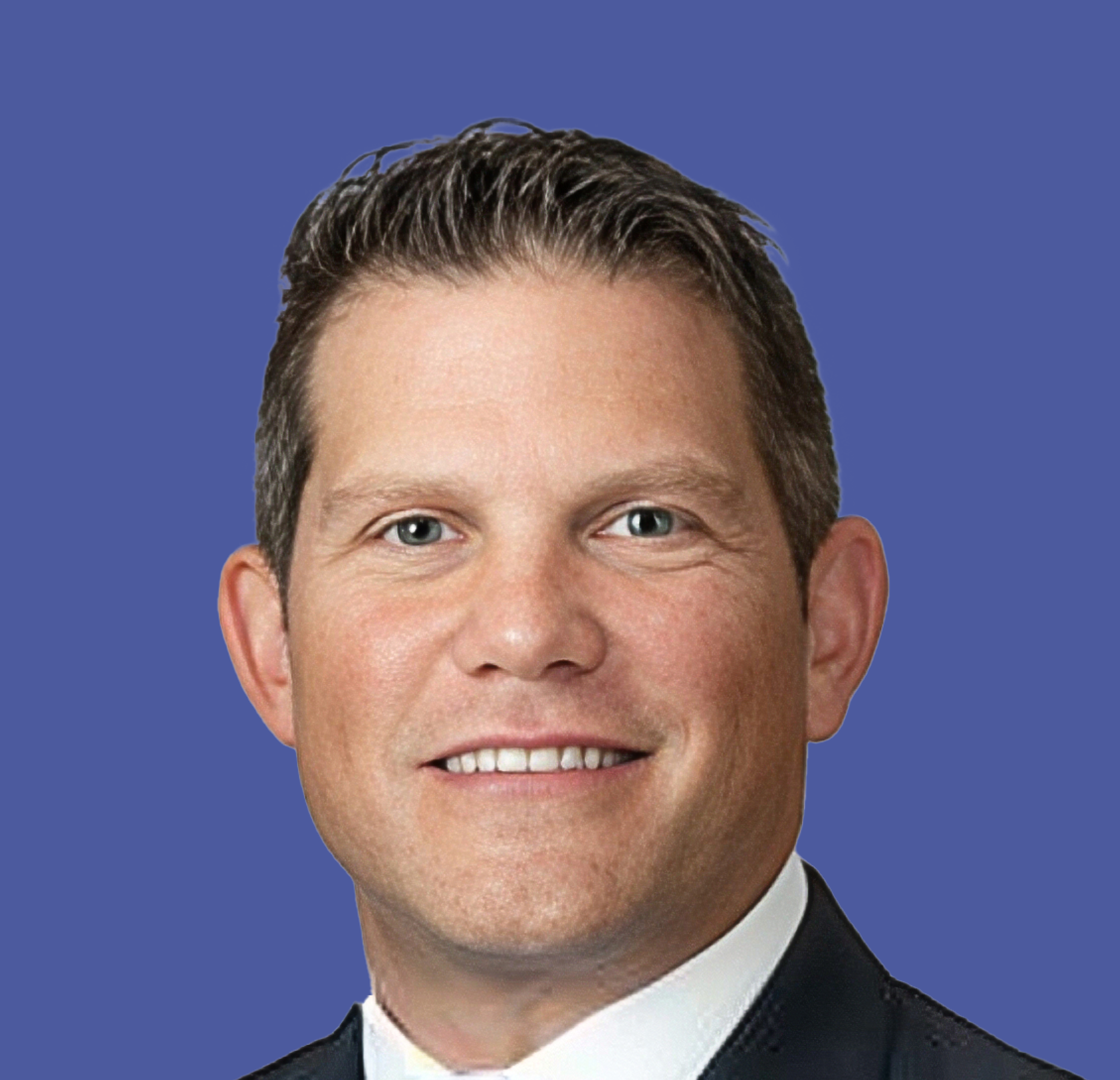
Co-Head of National Security Practice
Eversheds Sutherland
Patrick Gilman advises corporations and government entities on regulatory compliance, investigations, and crisis response. He served 15 years on active duty as an Army lawyer, primarily in Special Operations units. He transitioned from a direct commission JAG officer with no prior military experience to building high-functioning legal teams that prioritize team utilization and purpose over traditional billable-hour metrics.
Host

CTO
Maltego





Want to share your story next? Join Human
Element as our next guest!